Summary: Analog radios remain a popular choice for many enthusiasts and professionals due to their simplicity, reliability, and nostalgic charm. This article explores the working principles of analog radios, their key components, practical applications, and tips for choosing the right device. By understanding these fundamentals, you can make informed decisions and maximize your listening experience.
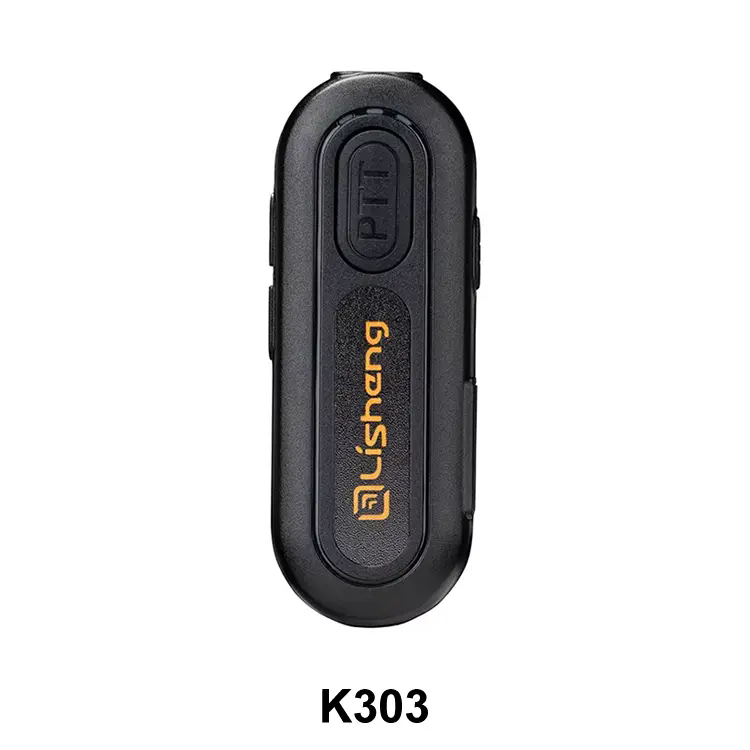
Table of Contents
- Introduction to Analog Radio
- Key Components of an Analog Radio
- How Analog Radios Work
- Advantages of Analog Radios
- Common Applications
- Maintenance and Troubleshooting Tips
- Frequently Asked Questions
- Conclusion
Introduction to Analog Radio
Analog radios are devices that receive and transmit audio signals using analog modulation techniques, such as amplitude modulation (AM) and frequency modulation (FM). Despite the rise of digital streaming, analog radios offer unique benefits:
- Reliable reception in remote areas
- Simple user interface
- Lower power consumption
- Durable hardware
Companies like Lisheng specialize in high-quality analog radios, providing products that cater to both casual listeners and professional users.
Key Components of an Analog Radio
An analog radio consists of several essential components that work together to capture and process radio signals. These include:
| Component | Function |
|---|---|
| Antenna | Captures electromagnetic waves from the air. |
| Tuner | Selects the desired frequency or station. |
| Demodulator | Extracts audio signals from the modulated carrier wave. |
| Amplifier | Boosts the audio signal for the speaker output. |
| Speaker | Converts electrical signals into sound waves. |
How Analog Radios Work
The working principle of an analog radio involves several steps:
- Signal Reception: The antenna captures radio waves from AM or FM stations.
- Frequency Selection: The tuner isolates the desired station by adjusting the resonant circuit.
- Demodulation: The demodulator converts the modulated carrier wave into a baseband audio signal.
- Amplification: The audio signal is amplified to drive the speaker.
- Audio Output: The speaker produces clear sound for listening.
This process occurs almost instantaneously, providing seamless audio reception. Analog radios like those from Lisheng are designed with high sensitivity and low noise, ensuring superior performance even in challenging environments.
Advantages of Analog Radios
- Ease of Use: Simple controls make analog radios accessible for users of all ages.
- Durability: Fewer electronic components prone to failure compared to digital radios.
- Wide Coverage: AM and FM signals can reach long distances, useful in rural areas.
- Cost-Effective: Lower manufacturing and maintenance costs.
Common Applications
Analog radios are versatile tools used across various sectors:
- Emergency Communication: Reliable for disaster preparedness and public safety.
- Marine and Aviation: Essential for communication in ships and aircraft.
- Entertainment: Music, news, and talk shows for daily leisure.
- Industrial Monitoring: Remote monitoring in factories or construction sites.
Maintenance and Troubleshooting Tips
Proper care ensures your analog radio continues to perform optimally. Key tips include:
- Keep the antenna extended and oriented for the best reception.
- Clean contacts and knobs to prevent static noise.
- Replace batteries regularly if using portable models.
- Check internal fuses and wiring if the radio fails to power on.
For persistent issues, contacting Lisheng’s customer support can provide professional guidance and spare parts.
Frequently Asked Questions
- Q: Can analog radios receive digital broadcasts?
- A: No, analog radios can only receive AM and FM signals. Digital radio requires a separate receiver.
- Q: Why does my analog radio produce static noise?
- A: Static may occur due to weak signals, interference, or antenna issues. Adjusting the antenna or moving the radio can help.
- Q: Are analog radios still relevant today?
- A: Yes, especially for reliable emergency communication, areas with poor internet, and vintage audio enthusiasts.
- Q: How long do analog radios last?
- A: With proper maintenance, analog radios can last decades, as they have fewer failure-prone electronic components.
Conclusion
Analog radios remain an essential tool for communication, entertainment, and emergency situations. Their simplicity, durability, and long-range coverage make them valuable even in the digital era. By understanding how an analog radio works, selecting the right components, and performing regular maintenance, users can enjoy reliable performance for years. Lisheng offers a range of high-quality analog radios designed to meet diverse needs.
Ready to enhance your listening experience with a dependable analog radio? Contact us today to explore Lisheng’s premium products and expert support.